Welcome to Day 9
Read slowly and write as you go. Watch the two expert insights when you have a quiet half hour, and close with the Day 9 meditation audio.
The shape of today
- Return to the Journey of Life and meet the Four HorsemenWhere neglect of the Instrument can lead; the purpose is awareness, not fear.
- Read the teaching: Anicca, the Annamaya Kosha and PramadaThree traditions, one message: care for what is precious while you still can.
- Reflect on Uparama, the value of the dayWithdrawing from excess, not from life, one small choice at a time.
- Look beneath the surfaceThe iceberg of silent disease; cancer and neurodegenerative disease.
- Watch two expert insights (optional material)Cancer prevention and the hidden timeline of brain ageing, with reflections.
- Your Best Possible Health Self, then the Scientific QuadrantOne habit and one first step today; then present bias and the future self.
- Close with the breathing practice and the Body ScanToday’s guided meditation turns understanding into lived experience.
- A quiet place to read and sit comfortably.
- A pen for the activity, the two video reflections and the reflection page.
- A phone or computer for the two expert videos, about twenty-four minutes in all.
- The Day 9 meditation audio.
Life can get busy. Take more than 21 days if you need to; there is no need to rush. If you cannot move to the next day of TLM Basic, continue practising the Value of the Day, Intentional Activity and Meditation from the last day you completed. When you are ready, resume the programme from where you left off.
Two more silent diseases
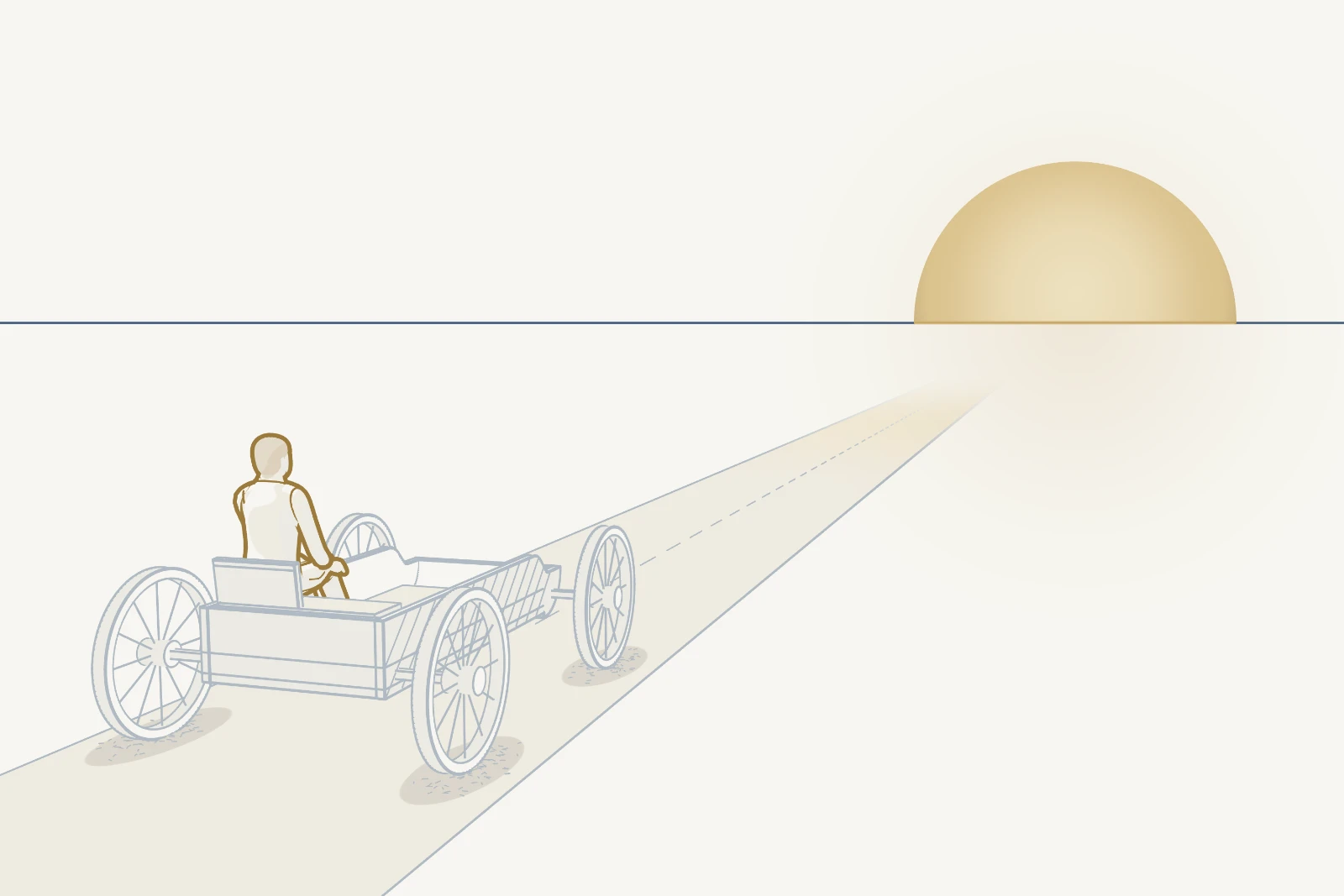
We began with the Physical Instrument because it is the foundation on which every other aspect of life rests. Yesterday, we saw why caring for the body is an act of wisdom rather than vanity.
Yesterday, we discovered that heart disease is not a sudden event but the visible outcome of processes that unfold silently over many years. We also introduced Dr. Peter Attia’s framework of the Four Horsemen—the four major chronic diseases responsible for most suffering and premature death in later life: cardiovascular disease, cancer, neurodegenerative disease, and metabolic disease.
Today we continue that journey. We move beyond the heart to understand two more of these silent diseases—cancer and neurodegenerative disorders. Like cardiovascular disease, they rarely appear overnight. They begin quietly, progress invisibly, and often become apparent only after years or even decades. Our purpose is not to create fear, but to cultivate the wisdom of long-term care.
Everything that arises is subject to change
Everything that arises is subject to change. The Buddhist tradition expresses this through the principle of Anicca—impermanence.
Nothing in the world remains exactly as it is. Our bodies change. Our minds change. Our abilities change. Even our circumstances change. At first glance, this may seem unsettling. But the Buddha presented impermanence not as a reason for pessimism, but as an invitation to awareness.
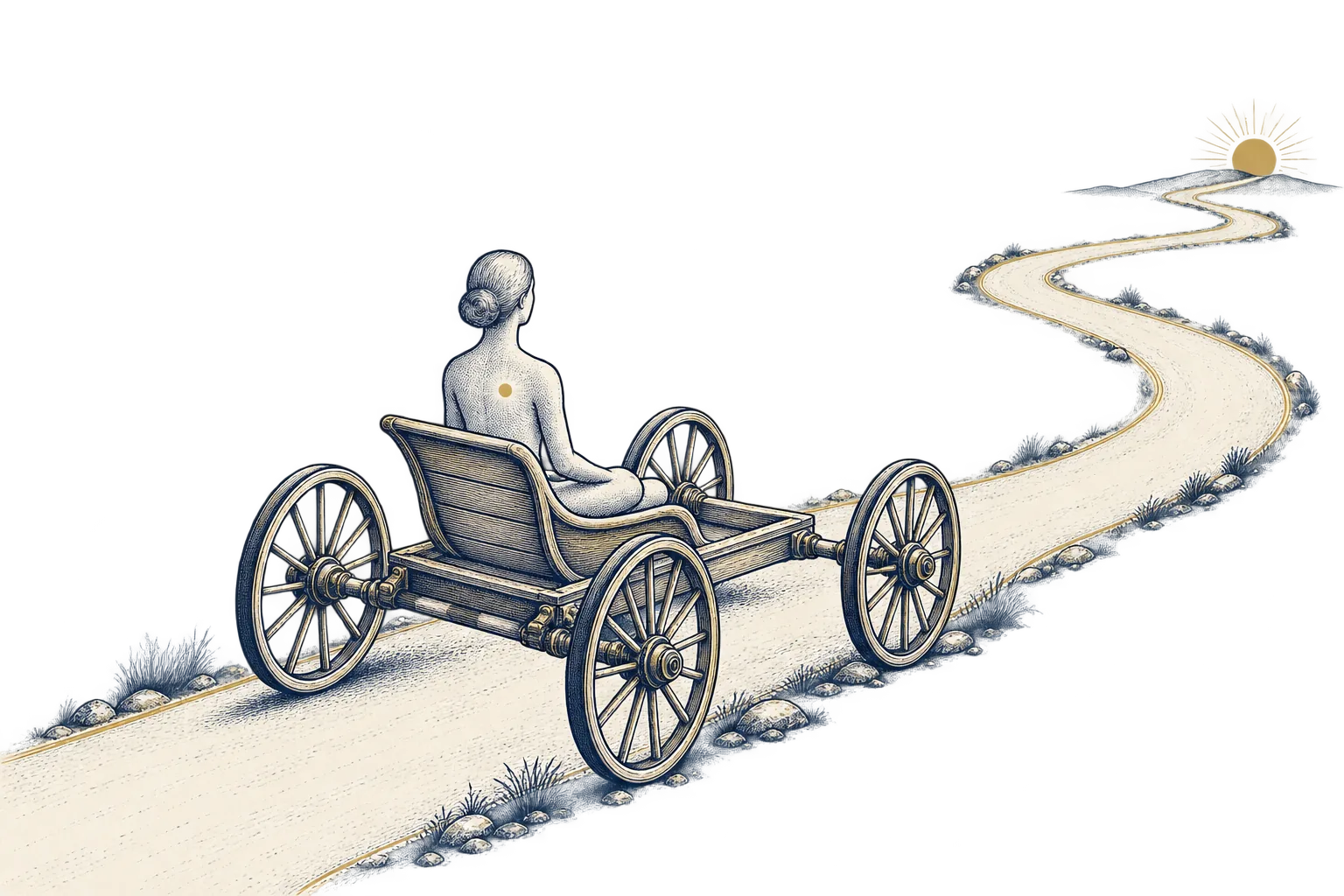
Advaita Vedanta offers a complementary perspective. It describes the body as the Annamaya Kosha—the physical sheath through which we experience the world. Week One helped us understand that we are not merely the body. But recognising that we are more than the body does not mean neglecting it. On the contrary, the body is the Instrument through which we fulfil our responsibilities, learn, serve, love and pursue inner growth. A neglected Instrument cannot support a meaningful journey.
The Jain tradition brings this understanding into everyday life through the idea of Pramada—carelessness or heedlessness. It reminds us that suffering rarely begins with one dramatic mistake. More often, it develops through countless small acts of inattention.
A little less sleep than we need. A little more food than we require. A little less movement than our body deserves. None of these seem important today. Yet, over the years, they quietly shape our future.
Uparama
Yesterday we reflected on Ahimsa—non-harming, beginning with ourselves and with the Instrument entrusted to us. Today we take the next step. If Ahimsa teaches us not to harm the Instrument, Uparama teaches us how. It invites us to gently withdraw from the excesses that quietly weaken the body and disturb the mind.
Uparama is often translated as withdrawal. But it does not mean withdrawing from life. It means withdrawing from excess. Excess that disturbs the balance of the body. Excess that unsettles the mind. Excess that slowly weakens the Instrument.
In modern life, excess rarely appears dramatic. It may simply be too much screen time. Too much rushing. Too much unnecessary consumption. Too much mental noise. Too little silence. Too little recovery.
Practising Uparama means asking ourselves a simple question:
When we reduce excess, we create space. Space for recovery. Space for clarity. Space for health.
Uparama is therefore not an act of deprivation. It is an act of intelligent simplification. And, like every value in this programme, it is practised one small choice at a time.
The same principle, far beyond the heart
Cancer. Neurodegenerative diseases such as Alzheimer’s. Many chronic illnesses that concern us deeply.
Modern preventive medicine tells us that these conditions, too, often develop quietly over long periods before the first symptom appears. Understanding this is not meant to make us fearful. It is meant to remind us that the best time to care for our health is long before illness announces itself. Let us now explore what modern science has discovered about this long timeline of health.
The wise traveller does not wait for the iceberg to emerge fully before taking action. Inner Governance means recognising hidden causes before they become visible consequences.
Inner Governance
“The disciplined capacity to regulate attention, emotion and behaviour even under pressure — in alignment with personal values and institutional ethos to fulfil the envisaged goal.”
Beyond the heart
Yesterday we explored cardiovascular disease, the first of Dr. Peter Attia’s Four Horsemen of chronic disease. Today we continue that journey by looking at two more—cancer and neurodegenerative disease.
Although these illnesses differ in important ways, they share one characteristic with cardiovascular disease: their underlying processes can develop long before symptoms become apparent. Some risk factors overlap across these conditions, although each disease also has its own distinct causes and risk profile. Chronic inflammation, metabolic dysfunction, poor sleep, physical inactivity, prolonged stress, and unhealthy lifestyle patterns quietly increase vulnerability across all these diseases. The body does not develop these conditions in isolation. The same biological environment influences many of them simultaneously. They usually develop silently over many years before symptoms become obvious. By the time they are detected, the underlying biological changes have often been present for a decade or longer.
This is one of the central insights of modern preventive medicine. Health is rarely determined by what happens this month or even this year. It is shaped by thousands of small biological and behavioural events accumulating over long periods of time.
Cancer begins when a single cell acquires changes that allow it to grow beyond normal control. The body has several protective mechanisms that help prevent abnormal cells from developing into cancer. Cancer can arise when cells accumulate changes that allow them to evade these controls and grow abnormally. The processes involved vary across cancer types. This is why prevention—avoiding tobacco, maintaining a healthy body weight, regular physical activity, nutritious food, adequate sleep, and recommended screening—has such enormous influence over lifetime cancer risk.
Neurodegenerative diseases follow a similarly long timeline. Conditions such as Alzheimer’s disease often begin with microscopic changes in the brain many years before memory problems become noticeable. Long before symptoms appear, lifestyle factors such as physical activity, metabolic health, sleep quality, cardiovascular fitness, cognitive engagement, and social connection are already influencing the brain’s long-term resilience.
The important lesson is not that these diseases are inevitable. The lesson is that our daily choices matter far earlier than most of us imagine.
This is why preventive medicine asks a different question. Instead of asking, “How do we treat disease once it appears?” it asks, “How do we build health decades before disease has a chance to emerge?”
Ancient wisdom and modern preventive science
The wisdom traditions expressed this through impermanence, awareness and vigilance. Modern preventive medicine expresses the same idea through the science of long-term risk and early intervention.
The following expert insights explore how many serious illnesses develop silently over time and why prevention is most effective before symptoms appear. As you watch, notice how these scientific perspectives reinforce today’s teachings on awareness, moderation and long-term care of the Instrument.
Cancer Prevention — No Quick Fix — Before it Spreads
Reflection
Which lifestyle factor discussed today do you feel deserves greater attention in your own life?
How Menopause Affects the Brain
Neurodegenerative diseases such as Alzheimer’s often begin developing many years before symptoms appear. In this talk, Dr Lisa Mosconi explores the hidden timeline of brain ageing and explains why prevention and brain health must begin much earlier than most people realise. Although the presentation focuses on women’s brain health, the broader lessons about long-term brain resilience are relevant to all participants.
Reflection
What is one action you could take today to better support the health of your brain ten years from now?
Before moving to today’s Intentional Activity, pause for a moment. Heart disease, cancer and neurodegenerative disorders may appear very different. Yet all remind us of the same truth: the future often begins long before it becomes visible. The choices we make today may not produce immediate results. But they are quietly shaping the person we are becoming. Carry that reflection into the next exercise.
Your Best Possible Health Self
Take five quiet minutes today. Imagine yourself five years from now. Not simply older. Healthier. Calmer. More energetic. Moving with ease. Sleeping well. Thinking clearly. Living with vitality.
Notice that you are not imagining miracles. You are imagining the accumulated effect of ordinary choices. Perhaps that future version of you walks regularly. Eats with greater awareness. Sleeps consistently. Manages stress more skilfully. And perhaps that future self began with one small decision…made today.
Before you finish the exercise, write down one habit that your future self would thank you for beginning now. Then take the first small step. Not tomorrow. Today. Remember, your future health is being created long before your future arrives.
Behavioural science of health and wellbeing
The Scientific Quadrant explains contemplative practices through current scientific understanding of psychology, behavioural science and neuroscience. The mechanisms described indicate how these practices may influence attention, emotional regulation, behaviour and wellbeing. Scientific understanding continues to evolve, and these explanations are not guarantees of specific outcomes. Individual experiences may vary.
Why we ignore distant consequences
One of the most consistent findings in behavioural science is that human beings tend to give greater importance to immediate experiences than to distant outcomes. Psychologists refer to this tendency as Present Bias.
We naturally pay more attention to what feels good, convenient or urgent today than to what may affect us years from now. This tendency influences many areas of life, including health.
The benefits of healthy habits are often delayed. The consequences of unhealthy habits are often delayed as well. As a result, long-term health can be unintentionally sacrificed for short-term comfort.
The challenge of prevention
This helps explain why prevention can be difficult. When symptoms are absent, risk feels distant. When the body appears healthy, there seems little reason to change.
Yet modern preventive medicine tells us that many chronic diseases begin developing long before they become visible. The challenge, therefore, is not merely understanding risk. It is learning to care for the future before the future arrives.
How today’s practices support long-term thinking
| Practice | Behavioural function supported |
|---|---|
| Reflection on Anicca | Greater awareness that all conditions change over time |
| Uparama | Reduced attachment to unnecessary excess |
| Best Possible Health Self | Stronger connection with one’s future self |
| 4-7-8 Breathing and Body Scan | Greater awareness of impulses, habits and automatic behaviours |
From present self to future self
Research suggests that people make healthier decisions when they feel connected to their future selves. When we vividly imagine the person we may become, future wellbeing no longer feels abstract. It becomes personal.
Today’s intentional activity encourages exactly this shift. Rather than focusing only on who you are today, it invites you to consider who you are becoming.
Brain Behaviour Health
| Level | What may develop through practice? | What you may notice |
|---|---|---|
| Brain | Greater awareness of long-term consequences | Thinking further ahead before acting |
| Behaviour | More deliberate daily choices | Reduced tendency toward automatic excess |
| Health | Greater consistency in health-supporting habits | Benefits that accumulate gradually over time |
Day 9 scientific takeaway
The greatest challenge in preventive health is often not lack of information. It is the tendency to prioritise immediate comfort over future wellbeing.
Today’s practices encourage a different approach: caring for the future version of yourself before that future arrives. Every healthy choice may appear small today. But over time, those choices help shape the person you are becoming.
- Anicca, the Annamaya Kosha and Pramada carry one message: care for what is precious before loss.
- Uparama means withdrawing from excess, not from life, and it is practised one small choice at a time.
- Cancer and neurodegenerative diseases, like cardiovascular disease, can develop over long periods before symptoms become apparent. Some risk factors overlap, but each condition has its own causes and risk profile.
- Present bias makes distant consequences feel unreal; connecting with your future self makes them personal. One habit, one first step, today.
Health develops silently as well
Yesterday, we learnt that disease often develops silently. Today, we discovered that health develops silently as well. Every meal. Every night’s sleep. Every walk. Every moment of recovery. Every conscious choice.
They are quietly shaping the person you are becoming. You cannot change yesterday’s habits. But you can influence tomorrow’s health. Beginning today.
Let us now move from understanding to direct experience.
Meditation — Body ScanPress play on the meditation audio, sit comfortably, and simply practise.Please begin today’s guided meditation. The breathing practice and the Body Scan will allow today’s ideas to become something more than knowledge. They will become lived experience.
Use the course meditation recording for the guided practice. The timer below is a quiet companion for practising on your own.